San Juan la Laguna Textile Tour from Antigua — Natural Dye Workshop and Guatemalan Chocolate
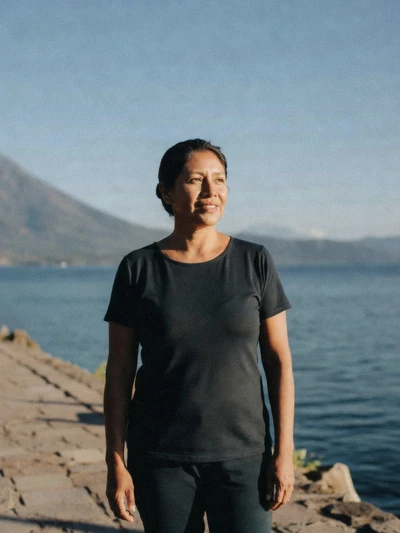
San Juan la Laguna is the lake's artisan village — a community where traditional textile dyeing with plant and insect pigments has been practiced continuously for generations. This day tour from Antigua brings you there: hotel pickup, van transfer to Panajachel, lancha to San Juan, a hands-on natural dye workshop, and a Guatemalan chocolate-making demonstration before returning to Antigua the same day. For a look at all the Lake Atitlán boat tours including those that depart from Panajachel directly, the homepage compares every option.
Tour At a Glance
Not a shopping stop — an actual workshop where you see and participate in the extraction of natural dyes from indigo plants, cochineal insects, and local botanical sources.
Guatemala is a major cacao producer. The chocolate demonstration shows traditional processing from cacao pod to drinking chocolate.
The tour collects you from your hotel — no need to find transport to the shuttle terminal or navigate to Panajachel independently.
Approximately 3 hours each way by van, plus 4–5 hours at the lake. An early departure from Antigua is required.
Early in its review history but consistently strong — travelers highlight the workshop quality and the personal attention from the guide.
Cancel up to 24 hours before for a full refund — flexible for travelers still adjusting their Antigua schedule.
Check Availability from Antigua
Early morning departure required from Antigua — typically 6:00–7:00 AM. Confirm your hotel address and pickup time when booking.
What the Natural Dye Workshop Actually Teaches
San Juan la Laguna's textile tradition is distinguished from other lake villages by its emphasis on natural dyeing — a practice that was largely abandoned across Guatemala during the 20th century when synthetic chemical dyes became cheap and available. In San Juan, a group of artisan cooperatives deliberately kept the natural dye tradition alive and have built a workshop program around sharing it with visitors.
The workshop is hands-on, not observational. You work with the dye sources directly — grinding cochineal, extracting indigo from the xiuquilite plant, processing tannins from local bark. The artisans explain which colors come from which sources and why certain combinations work while others don't. The textiles produced in San Juan are among the most sought-after in the Guatemalan highlands market precisely because the natural dye process produces a depth of color that synthetic alternatives can't replicate.
The Dye Sources Used in the Workshop
Natural dye production in San Juan draws from three primary sources:
- Cochineal (Dactylopius coccus) — a parasitic insect harvested from cactus pads; produces deep crimson and purple tones
- Indigo (xiuquilite) — extracted from the Indigofera suffruticosa plant; produces blue tones used in the most formal ceremonial huipils
- Local botanical sources — bark, seeds, and flowers providing yellow, tan, and green tones
- Mordants (mineral fixatives) that alter and set the final color
The Chocolate Demonstration
After the textile workshop, the tour includes a cacao and chocolate demonstration. Guatemala's Pacific coastal lowlands and the Alta Verapaz region are among Central America's most productive cacao zones. The demonstration shows the post-harvest process: fermentation, drying, roasting, grinding, and producing the traditional Guatemalan drinking chocolate (cacao with water, spices, and sometimes chili).
You taste the end result — a preparation that bears little resemblance to commercial chocolate in flavor profile.
Logistics: Getting from Antigua to San Juan la Laguna and Back
The Antigua to Panajachel Transfer
The van departs Antigua early (typically 6:00–7:00 AM) to arrive in Panajachel by mid-morning before lake conditions deteriorate. The road crosses the highland pass above Lake Atitlán and descends steeply to Panajachel — a scenic but winding route. Plan for 3 hours each way in normal traffic conditions.
- Early pickup from your hotel in Antigua — confirm exact time at booking
- Guatemala City pickups available — adds time to the van journey
- Mountain road: bring motion sickness tablets if you're sensitive to winding roads
- The descent into Panajachel offers the first view of the lake and all three volcanoes
The Lancha to San Juan la Laguna
From Panajachel's embarcadero, the group takes a shared lancha to San Juan la Laguna on the western shore — approximately 25–30 minutes. Morning crossings are the calmest; the tour is structured to complete the lake crossing before the Xocomil afternoon wind arrives.
What to Bring, What's Included, and Who This Suits
What's Included
- Hotel pickup and drop-off in Antigua or Guatemala City
- Private van with driver, both directions
- Bilingual guide for the full day
- Lancha crossings on the lake
- Natural dye textile workshop entry and participation
- Cacao and chocolate demonstration
- All dock fees and access charges
Not Included
- Lunch — plan for $6–10 USD at a restaurant in San Juan la Laguna
- Textile purchases (optional — directly from the cooperative)
- Tips for guide and driver
What to Bring
- Old clothes or a smock for the dye workshop — natural pigments stain permanently
- Cash in quetzales for lunch, tips, and textile purchases
- Motion sickness tablets for the mountain road and the lancha crossing
- Light jacket for the van air conditioning and the cooler lake elevation
- Sunscreen and hat for the lancha crossing
Not Suitable For
- Travelers who dislike long van journeys — 6 hours of driving is unavoidable
- Those who want to stay overnight at the lake — this is a return-to-Antigua-same-day tour
- Anyone looking for adventure activities — this is workshop-focused, not active
- Travelers already in Panajachel — this tour's value is the transfer logistics from Antigua
Frequently Asked Questions
Can I buy textiles at the workshop in San Juan la Laguna?
Yes — the cooperative sells directly to visitors at workshop prices. A naturally-dyed table runner runs 80–200 quetzales ($10–25 USD); a woven bag 150–300 quetzales; ceremonial-weight huipils significantly more. Bring cash — cards are rarely accepted.
How is this different from the broader Lake Atitlán day trip from Antigua?
The Lake Atitlán day trip from Antigua at $119 covers a wider village circuit including Santiago Atitlán's colonial market. This tour ($110) focuses specifically on San Juan la Laguna's textile dyeing and chocolate workshops — it's narrower in scope but goes deeper at each stop.
Do the natural dyes wash out after the workshop?
Natural dyes bind to fiber through a chemical fixation process using mordants. Once fixed, they are highly washfast — more stable than many synthetic dyes. The dyes will not wash off your skin easily either. Wear clothes you don't mind staining.
Is San Juan la Laguna accessible directly from Panajachel?
Yes — public lanchas run between Panajachel and San Juan la Laguna throughout the day for about 25–30 quetzales each way. If you're already staying in Panajachel and want just the workshop experience, consider booking the small-group cultural boat tour or the shared lancha tour from Panajachel instead of this Antigua-departure option.
Is the chocolate demonstration appropriate for children?
Yes — the cacao demonstration is family-friendly and is often a highlight for children. The drinking chocolate produced is not sweet by commercial standards (it's unsweetened or lightly spiced), which surprises some kids, but the process of processing the cacao is engaging for most ages.
What Travelers Say
The textile workshop was genuinely educational — I had no idea the colors came from insects and plants. The chocolate demo was excellent too. Logistically the day is long but every minute at the lake is worth it.
Wore an old shirt to the dye workshop and ruined it beautifully. Best souvenir from Guatemala was the naturally-dyed table runner I bought from the weaver directly.
The guide was thoughtful and spoke excellent English. The drive is long but he made it interesting with context about the highland towns along the route. San Juan la Laguna is a beautiful village.